If you are reading this at midnight, three browser tabs deep, trying to decide whether to book your first trip to Morocco — I understand. I have answered this question hundreds of times by WhatsApp, by email, and across the dinner table at riads in Marrakech. So let me give you a straight answer first, and then the context you actually need to make a decision.
Yes, Morocco is safe for tourists in 2026. It is one of the most welcoming countries in North Africa, ranks among the safer destinations on the African continent, and millions of visitors from the United States, Canada, and Europe travel here every year without incident. That said, “safe” is not the same as “carefree.” Morocco has its own rhythms, etiquette, and small risks that, once you know them, take five minutes to work around.
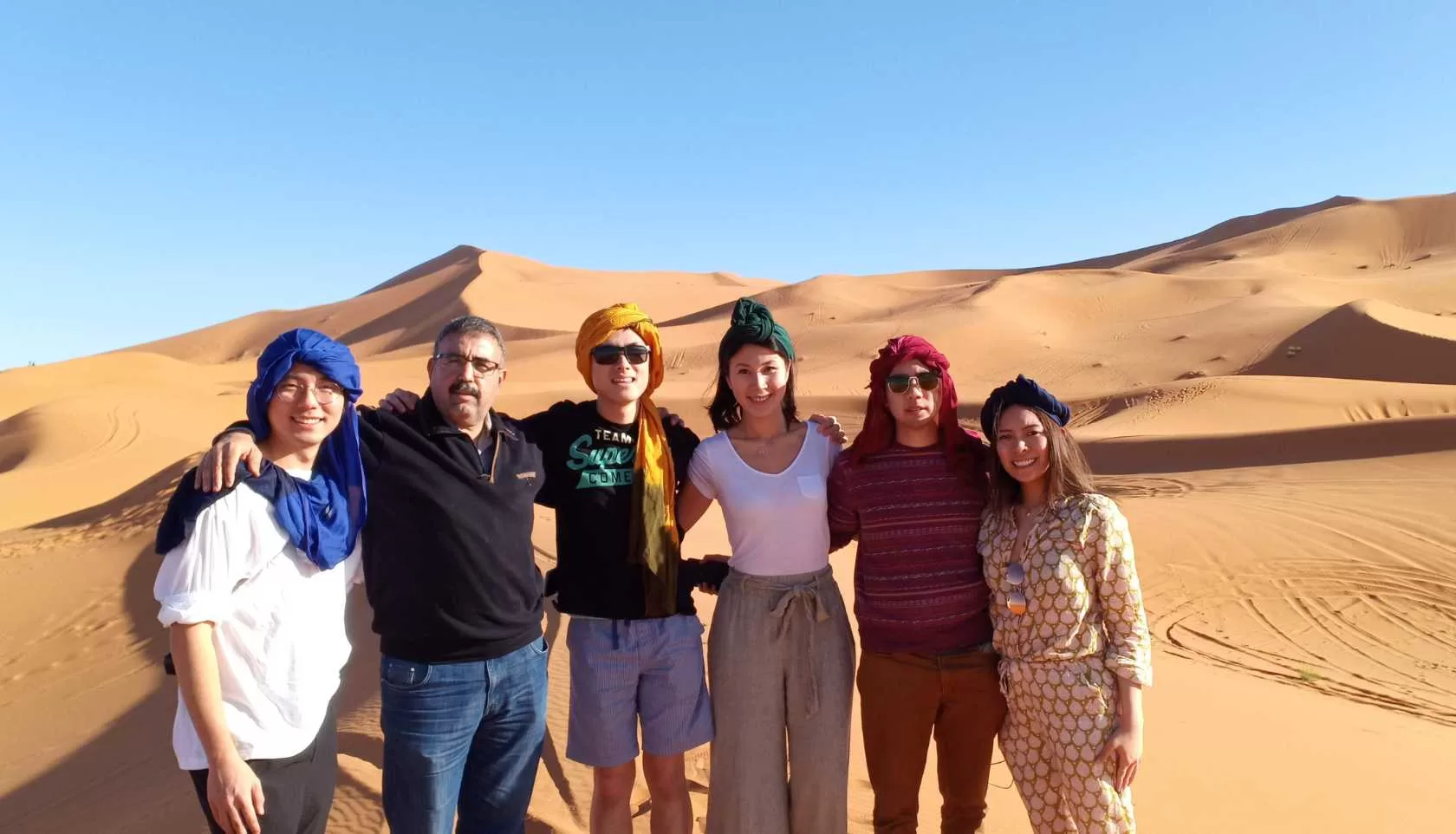
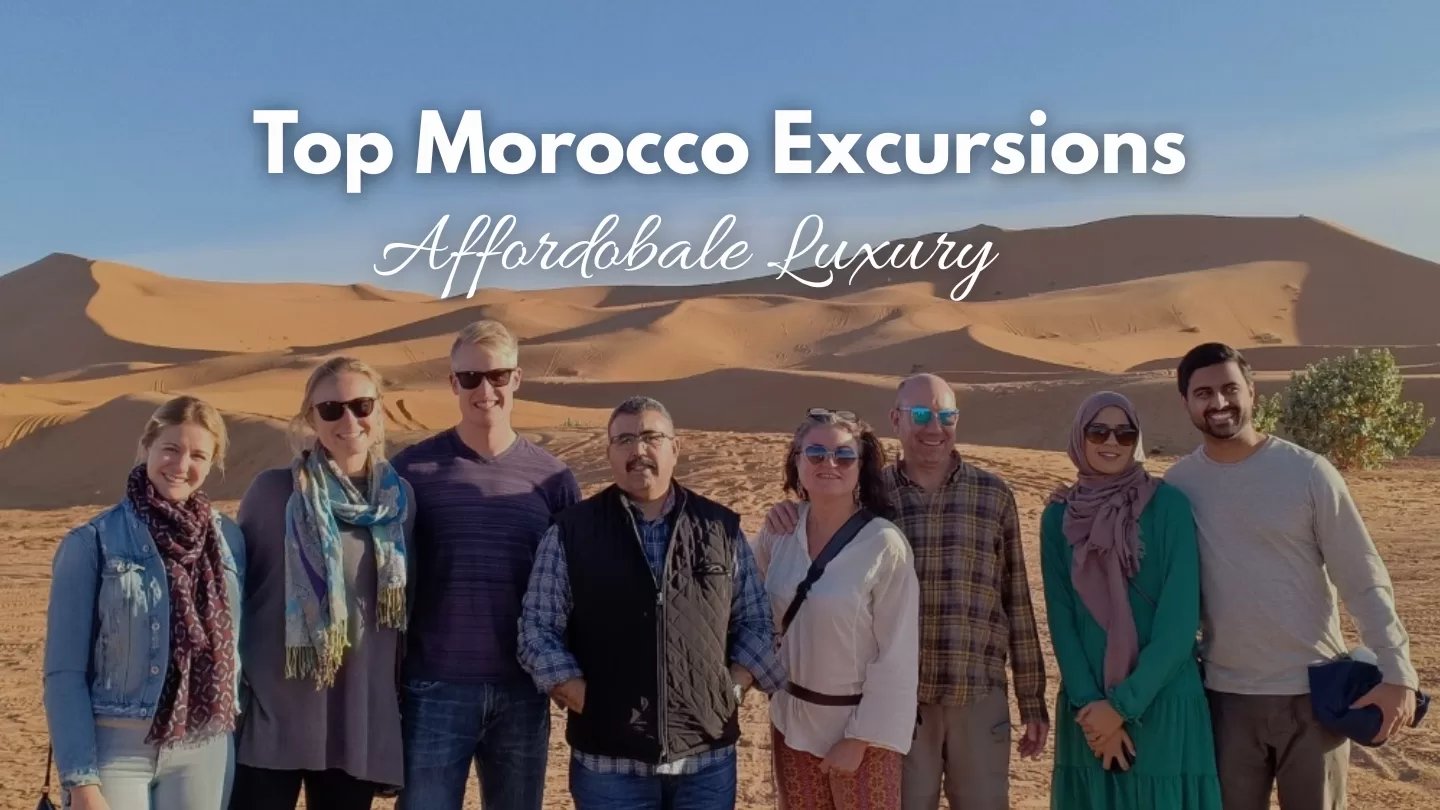
I was born and raised in Morocco. I run a private tour company in Marrakech that has earned a 5-star rating on TripAdvisor from American, Canadian, and European travelers, and I host families, couples, and solo women every week. This guide is what I would tell my own cousin if she were planning her first trip from Toronto or Boston.
How safe is Morocco compared to other destinations?
Morocco has a low rate of violent crime against tourists. The U.S. State Department typically lists Morocco at Level 2: Exercise Increased Caution — the same advisory level as Spain, France, Germany, and the United Kingdom. The Government of Canada gives similar guidance. In other words, Morocco sits in the same risk tier as the European cities most North Americans visit without a second thought.
The main issues travelers actually encounter are not violent — they are pickpocketing in crowded markets, persistent street vendors, and a few well-known scams. Knowing what they look like is half the work. The other half is choosing the right travel setup.
Is Marrakech safe for tourists?
Marrakech is the city most travelers ask about, because it is usually the first stop. Yes, Marrakech is safe — but the medina (old city) is dense, fast-moving, and intentionally disorienting. It was built that way.
Inside the medina you should expect:
- Friendly chaos. Motorbikes, donkeys, hand carts, and people share the narrow alleys. Stay aware, walk with intention, and you will be fine.
- Helpful “helpers.” A young man may insist the path you are on is closed and offer to lead you to your riad. Most of the time he wants 50 dirhams (about $5) for the favor. Polite refusal works. So does a smile and “la, shukran” (no, thank you).
- Pickpocketing in dense crowds. Jemaa el-Fnaa square at night is theater — drummers, snake charmers, food stalls. Keep your phone in a front pocket, your bag zipped and in front, and you will love every minute.
The newer parts of Marrakech — Gueliz, Hivernage, Palmeraie — are calm, well-lit, and feel like any modern Mediterranean city. Most luxury hotels and many of our pickup points sit in these neighborhoods.
Other major cities (Fes, Casablanca, Rabat, Chefchaouen, Essaouira, Tangier) follow the same general pattern: safe overall, with a busy old medina at the heart and quieter modern districts around it.
Is Morocco safe for solo female travelers?
This is the question I get most often, and I want to answer it honestly because you deserve more than a brochure response.
Morocco is safe but attentive for solo women. Violent crime against female travelers is rare. What is more common is unwanted attention — comments on the street, a shopkeeper who is more persistent than he should be, or a man who tries to start a long conversation. The country is changing quickly on this issue, and most Moroccan men are nothing but respectful, but you should travel prepared.
Practical advice from women I have hosted:
- Dress on the modest side, especially in medinas and smaller towns. Loose pants or long skirts and tops that cover the shoulders draw less attention. Marrakech is more relaxed than Fes; coastal Essaouira is more relaxed than both.
- Walk with confidence. Hesitation invites approach.
- A firm “la, shukran” with no eye contact ends most exchanges.
- For your first trip, consider a private guided tour rather than figuring out the medina alone on day one. Once you have walked it once with a guide, the city opens up and you can wander on your own with much more confidence.
- Choose well-reviewed riads. The owners and staff of a good riad become your local family for the trip — they will arrange taxis, advise on neighborhoods, and step in if anything feels off.
Hundreds of solo women have traveled with us and come away saying Morocco was one of the most rewarding trips of their lives. Yasmeen K., one of our recent guests, wrote on TripAdvisor that she felt “completely cared for” from arrival to departure. That is the standard you should hold any operator to.
Is Morocco safe for American tourists specifically?
Yes. Americans are welcomed warmly across Morocco. The country has had a continuous diplomatic relationship with the United States since 1777 — Morocco was the first nation in the world to formally recognize American independence — and that history is still part of how Americans are received here.
Practically, what this means for you:
- English is widely spoken in tourist areas, hotels, and especially among guides and drivers. French and Arabic are the everyday languages, but a good operator provides bilingual or English-speaking guides.
- American passports do not require a visa for stays under 90 days. You receive a stamp on arrival.
- Most Moroccan ATMs accept U.S. bank cards, and credit cards work in hotels, restaurants, and larger shops. Souks and small cafés are cash-only.
- The U.S. has a full embassy in Rabat and a consulate in Casablanca, both reachable 24/7 in a real emergency.
Canadian and European travelers receive equally smooth treatment. Morocco’s tourism economy is built around international visitors, and the infrastructure reflects that.
What are the most common scams to know?
Most “scams” in Morocco are mild and aimed at separating you from a small amount of money rather than putting you in danger. Knowing them in advance defangs them entirely.
- The “your hotel is closed” detour. A stranger insists your riad is shut, under renovation, or in another direction, and offers to take you to a “better” one. They earn a commission. Politely decline and continue.
- Henna grab. In Jemaa el-Fnaa, a woman may grab your hand and start drawing henna, then ask for a high price. Keep your hands to yourself and decline firmly.
- Photo fees. The water sellers in red costumes and the snake charmers in the main square charge for photos. Ask before snapping; agree on the price first (10–20 dirhams is fair).
- Taxi meter “broken.” Always insist the meter is on, or agree on a price before getting in. From Marrakech airport to most riads, 100–150 dirhams in the daytime is normal. Better yet, pre-book a private airport transfer so a driver is waiting for you with your name on a sign.
- Tour overcharges. Some street agents promise a “Sahara desert tour for $80” that turns into a chaotic minibus, a rushed itinerary, and surprise fees. A real private tour with a licensed guide and clear inclusions costs more — and is worth it.
When in doubt, default to operators with verified TripAdvisor reviews, a website with real itineraries, and a working WhatsApp number you can message before booking.
Is the food and water safe in Morocco?
Moroccan food is one of the great pleasures of the trip — tagines, couscous, harira soup, fresh-baked khobz bread, mint tea everywhere. Food safety is genuinely good in established restaurants, riads, and tour-vetted stops.
Quick rules:
- Drink bottled or filtered water. Sealed bottles are sold everywhere for a few dirhams. Avoid tap water and ice unless you are at a high-end hotel that filters it.
- Eat where the locals eat — but choose busy spots. A packed café with high turnover is safer than an empty tourist trap.
- Try the street food, but be selective. Grilled meats and freshly fried items are generally safe. Pre-prepared salads and unrefrigerated dairy are the things to skip.
- Travel with a basic kit. Probiotics before the trip, plus rehydration salts and an over-the-counter anti-diarrheal in your bag, will cover the most common issue (a few hours of stomach upset, gone by the next day).
Routine vaccines should be up to date. Hepatitis A and typhoid are sometimes recommended depending on your itinerary — check with your travel doctor at home before flying.
Is desert travel safe? What about the Atlas Mountains?
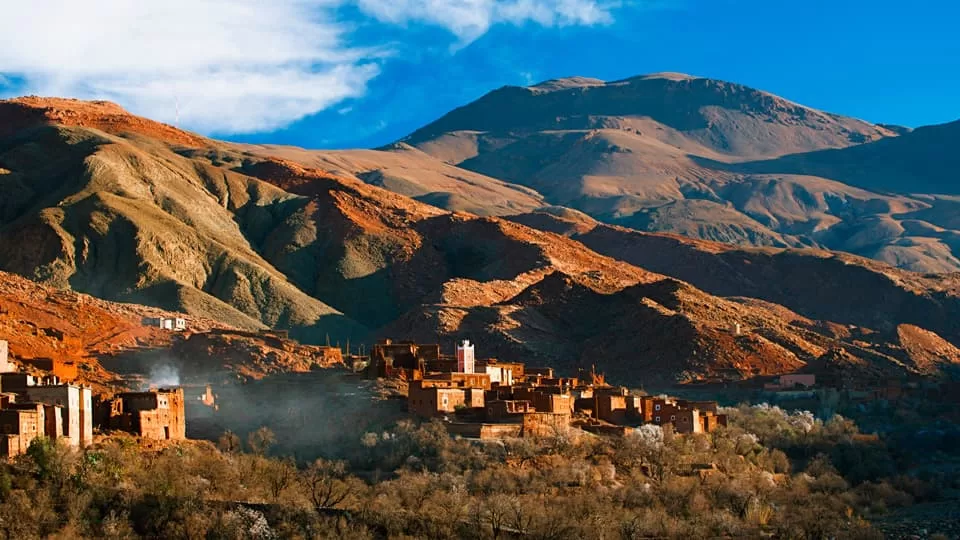
This is where the right operator matters most. The Sahara is a magnificent, remote environment. So are the Atlas passes between Marrakech and Merzouga. Self-driving these routes is not the right move for a first-time visitor — the roads are winding, signage is inconsistent, and weather can change quickly.
A reputable Sahara desert tour from Marrakech includes:
- A modern, air-conditioned 4×4 or minivan with seatbelts in every seat.
- A licensed driver who knows the road and the rest stops, and an English-speaking guide who knows the culture.
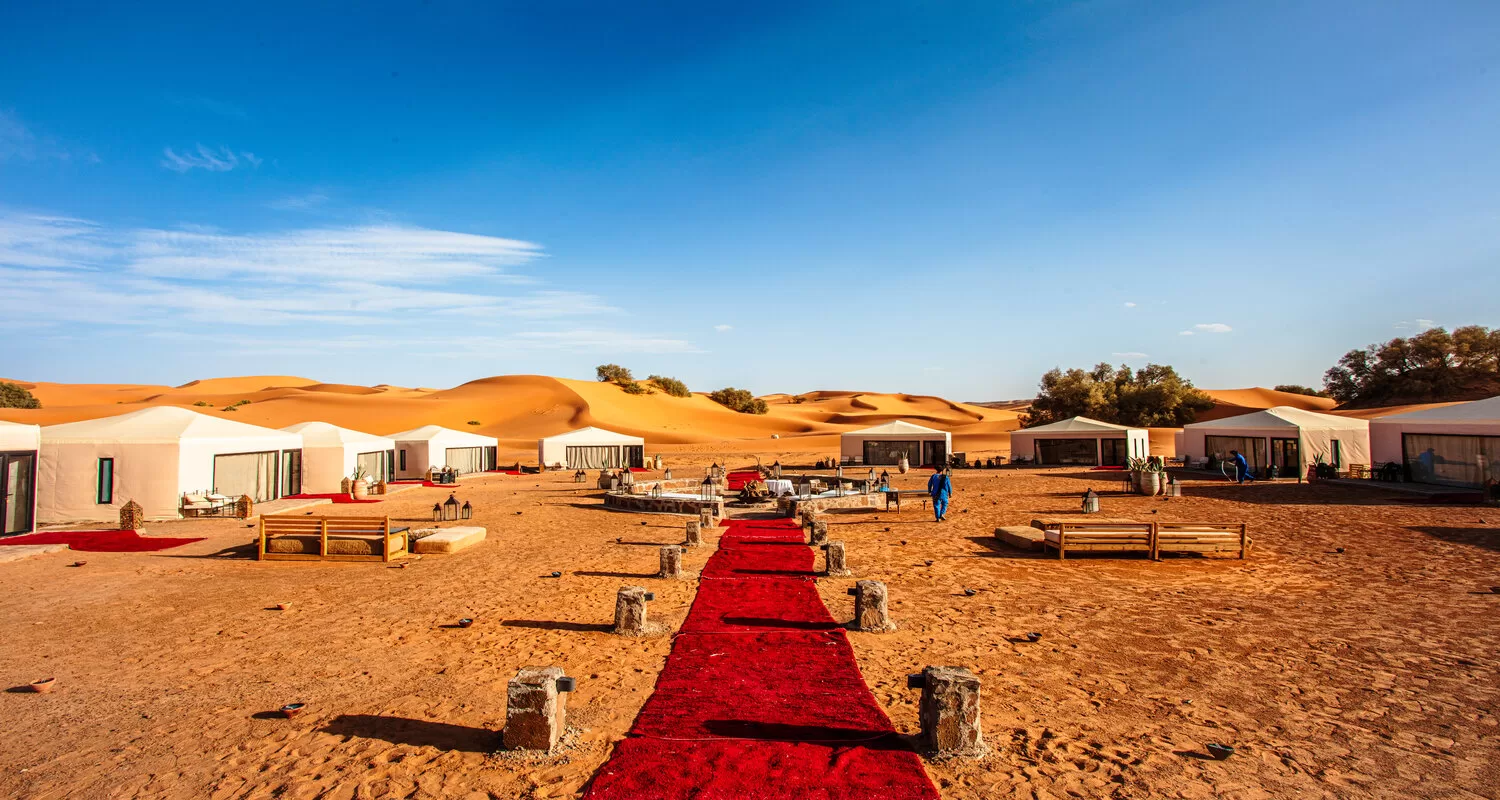
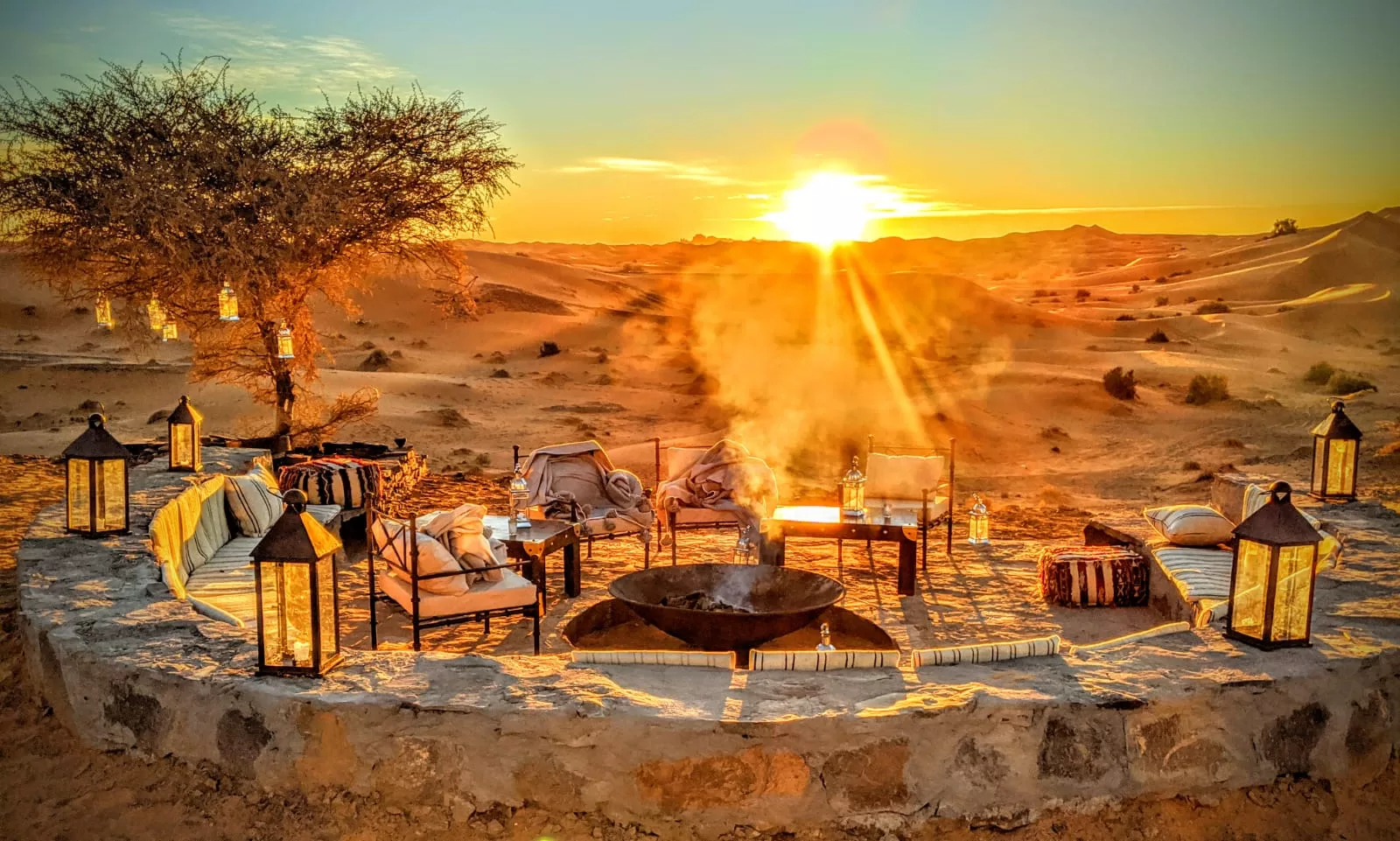
- Vetted desert camps in Erg Chebbi (Merzouga) or Erg Chegaga, with proper tents, real beds, and dinner cooked on site.
- 24/7 reachability — someone you can call or WhatsApp from anywhere on the route.
When those four boxes are checked, desert travel in Morocco is not just safe; it is one of the most beautiful and structured experiences in North Africa. The first time you watch the sun rise over the Erg Chebbi dunes, you will understand why people fly across the world for this.
Are there places I should avoid?
Morocco has open and closed borders. Two practical notes:
- The Algerian border has been closed since 1994. Do not attempt to cross it overland. Tours never go that way; reputable operators design itineraries that stay well inside Moroccan territory.
- The disputed Western Sahara region further south has different advisories depending on your government. Mainstream tours never go there. The famous “Sahara desert tour” you have read about online is in eastern Morocco — Merzouga, Erg Chebbi, Erg Chegaga — which is fully inside the safe travel zone.
Beyond that, the standard tourism circuit (Marrakech, Fes, Chefchaouen, Casablanca, Tangier, Essaouira, the Atlas Mountains, the Sahara via Merzouga or Zagora) is well-trodden, well-policed, and welcoming.
How to actually feel safe on your first Morocco trip
After hosting hundreds of first-time visitors, the pattern is simple. The travelers who feel safest are the ones who:
- Book their first day with a private driver and English-speaking guide. It removes the airport-transfer stress, the medina disorientation, and the “where do I eat tonight?” decisions while you are still jet-lagged.
- Stay in a well-reviewed riad inside the medina so they fall in love with the old city without having to navigate it alone after dark.
- Use one trusted operator for the whole multi-day route rather than stitching together strangers through a booking platform. One number on WhatsApp, one team accountable for your trip.
- Carry a copy of their passport, a photo on their phone, and the embassy phone number — and never use any of them, but feel calm because they are there.
This is exactly how we structure trips at Top Morocco Excursions. Private vehicle, bilingual guide, owner-operated, 24/7 support, vetted accommodations, and a single point of contact from the moment you message us until you are back at the airport.
Frequently asked questions
Is Morocco safe to visit in 2026?
Morocco is currently rated Level 2 (“Exercise Increased Caution”) by the U.S. State Department — the same level as France, Spain, and the U.K. Tourism is at record highs and the country has invested heavily in tourist infrastructure ahead of major upcoming events.
Is Morocco safe for solo female travelers?
Yes, with awareness. Violent crime is rare; unwanted attention is more common. Dressing modestly, traveling with a vetted operator on day one, and staying in well-reviewed accommodations make solo female travel rewarding and manageable.
Is Marrakech safer than Fes?
Both are safe. Marrakech is busier and more international; Fes is older, more conservative, and feels more authentically traditional. Many travelers find Fes calmer at night.
Do I need a guide in Morocco?
You do not need one legally, but for first-time visitors a private guide for the first one to three days transforms the experience. The medinas are easier, the cultural context is richer, and you save time.
Is Morocco safe for families with children?
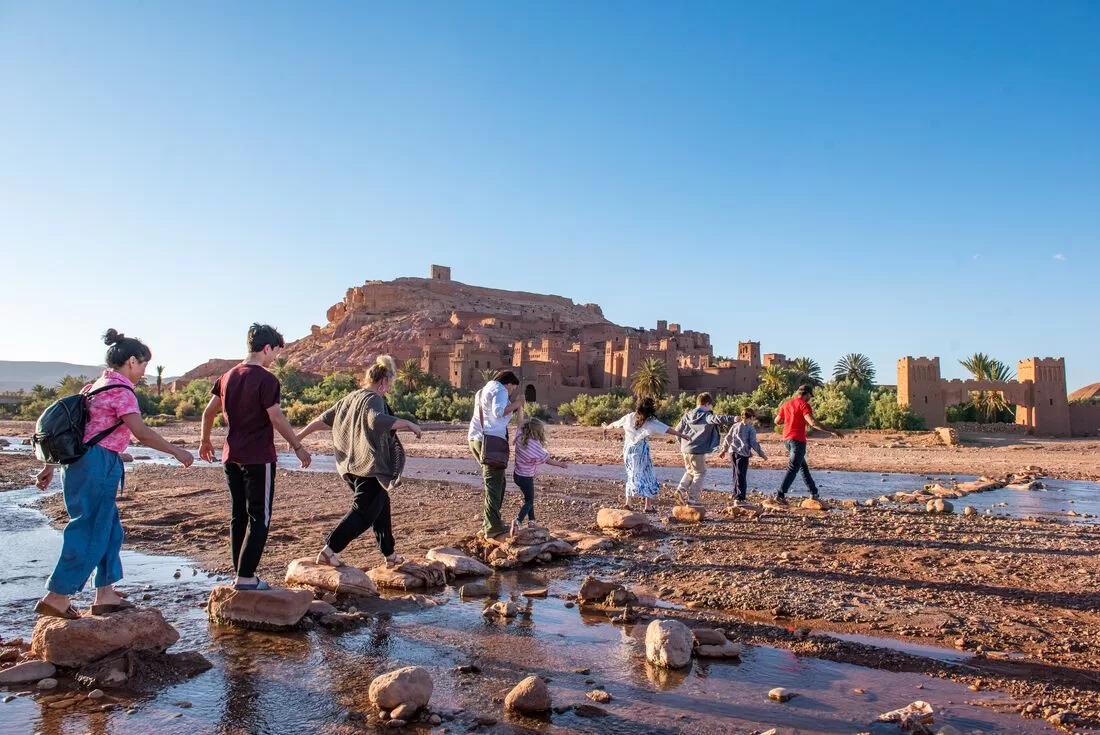
Yes. Moroccans love children, and our family clients regularly bring kids as young as 4 or 5 on adapted tours. Private vehicles, kid-friendly meal stops, and shorter driving days make a difference.
Ready to plan your trip?
If after all this you are still on the fence, the easiest next step is to send a short message and ask anything you want — itinerary, safety, dietary needs, mobility concerns, specific neighborhoods. Real questions from real travelers are how we have built our 5-star reputation.
You can WhatsApp us anytime at +212 666-077802 or reach us through the contact page on topmoroccoexcursions.com. We will reply the same day, in English, with no pressure to book.
Morocco rewards travelers who arrive curious and prepared. With the right setup, the only thing you will be worrying about by day three is whether to extend your stay.